Fixturing Methods for Thin-Walled Titanium Machining
Innovations in Fixturing Technology
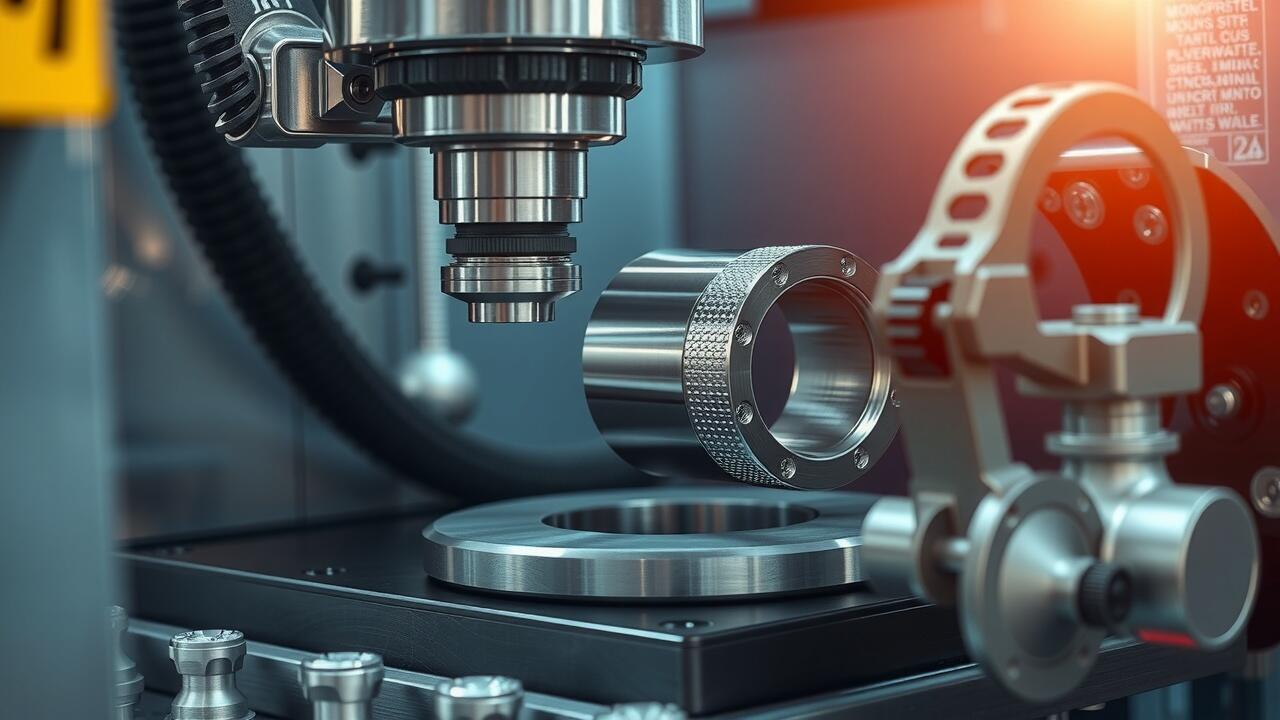
The fusion of advanced materials and cutting-edge design techniques has accelerated progress in fixturing technology, particularly for demanding sectors like aerospace precision machining. One significant innovation is the use of hybrid fixturing systems that integrate traditional rigid structures with adaptive components. These dynamic fixtures actively respond to changes during machining processes, enhancing stability and improving the overall accuracy of the final part. For instance, a recent study demonstrated a 30% reduction in part deformation during machining, showcasing the effectiveness of these systems in maintaining precision.
Another promising development is the integration of modular fixturing systems equipped with quick-change capabilities. Aerospace CNC machining companies are adopting this technology to streamline their operations, reducing setup times significantly. A case study revealed that companies implementing modular systems achieved a 50% decrease in fixture changeover time, allowing for faster turnaround on projects. By investing in these innovative fixturing solutions, manufacturers can adapt to the high demands of precision machining aerospace while maintaining optimal performance levels.
Latest Developments and Their Implications for Machining
Recent advancements in fixturing technology are transforming how manufacturers approach aerospace precision machining. Innovative designs now incorporate lightweight materials that not only reduce fixture weight but also enhance rigidity. For instance, the introduction of carbon fiber reinforcements in fixtures offers a substantial weight reduction of up to 30% while maintaining exceptional strength. This shift allows aerospace CNC machining companies to achieve tighter tolerances and improved surface finishes, essential for meeting stringent aerospace standards.
Additionally, the integration of smart technology into fixturing systems promises to streamline the machining process. Systems equipped with sensors can monitor clamping forces and detect shifts in part positioning in real-time. Such proactive measures enable operators to rectify potential issues before they escalate, significantly minimizing scrap rates. A recent case study demonstrated that implementing these smart fixtures led to a 25% increase in machining efficiency for a major aerospace component manufacturer, showcasing the direct impact of these developments on production output and quality.
3 Essential Steps for Setting Up Fixture Systems
Setting up fixture systems involves a strategic approach that can significantly impact the success of aerospace precision machining projects. First, precise measurements are crucial. Utilizing advanced metrology tools ensures that the alignment of your fixture relative to the machining components is spot-on. For instance, a recent case study in precision machining aerospace highlighted the importance of achieving a tolerance of less than 0.01 mm for optimal part stability during machining, which vastly reduces the chance of defects.
Next, consider material selection. The use of lightweight yet robust materials such as carbon fiber composites can enhance rigidity while minimizing the overall weight of the fixture, which is critical in aerospace applications where weight is a key factor. It's not just about the fixtures themselves, but also about understanding how they will interact with the machining process. An aerospace CNC machining company reported a 20% increase in efficiency after integrating a flexible fixturing system that allowed for quicker adjustments between different components. Each of these steps contributes to a more efficient setup that meets demanding industry standards.
A Practical Guide to Assembling for Optimal Performance
When assembling fixturing systems for thin-walled titanium components, precision is the key. Begin by ensuring that your fixtures are designed to minimize deformation, which is critical in aerospace precision machining applications. For instance, a well-structured fixture can maintain tolerances within 0.005 inches, allowing for superior accuracy. Space your clamps strategically to evenly distribute forces, avoiding stress points that could warp your titanium workpiece during machining. Often, industry leaders report that implementing multi-point contact systems enhances stability and reduces the risk of distortion.
Select materials based on their weight and strength to keep the entire setup manageable. An aerospace CNC machining company might employ advanced composites for higher rigidity at lower weights. During assembly, utilize CNC software to simulate the load and predict reactions, ensuring that setups meet industry standards. For optimal performance, incorporate adjustable elements such as leveling feet and quick-adjust clamps, which provide the flexibility necessary to adapt to slight variations without sacrificing precision. These small adjustments can make a significant difference, turning a standard setup into a high-performance powerhouse.
Troubleshooting Common Fixturing Issues
Successful fixturing requires precision and attention to detail. Many aerospace CNC machining companies encounter issues like vibration or misalignment during the setup process, leading to costly operational downtimes. A notable case involved a team at a facility specializing in aerospace precision machining, where unexpected vibrations compromised their throughput by 25%. Implementing a vibration damping solution and ensuring rigid fixture designs dramatically improved their performance and consistency, highlighting the significance of optimizing fixture stability.
Another common problem lies in improper workpiece clamping. If the clamping force is uneven, it risks distortion, particularly in thin-walled components. In one documented instance, a precision machining aerospace project faced significant setbacks due to this very issue. By utilizing finite element analysis (FEA) during the fixture design stage, engineers corrected clamping inconsistencies, ultimately achieving a 30% reduction in scrap rates. This emphasizes the need for real-time adjustments and inspections throughout the machining cycle to maintain quality standards and ensure the effective operation of the fixture system.
Identifying and Resolving Setup Problems in Real Time
Effective fixturing in aerospace precision machining requires keen attention to detail. A setup issue can cascade into larger machining errors, causing delays and escalating costs. For instance, if the fixture is not rigid enough, vibrations may lead to inaccurate cutting depths, resulting in material wastage. Regularly monitoring the setup during initial runs ensures any discrepancies are swiftly identified and corrected, maintaining the workflow's overall efficiency.
Real-time troubleshooting is paramount in precision machining aerospace environments. Technicians can utilize software tools that monitor factors such as temperature fluctuations and tool wear, providing data that aids in immediate adjustments. A case study from an aerospace CNC machining company highlighted a 15% reduction in cycle time by implementing proactive diagnostic measures, illustrating the advantages of timely interventions. Emphasizing a culture of real-time problem-solving improves output quality while minimizing costly reworks.
Advanced Materials for Fixturing Systems
The advancement in fixturing materials significantly enhances the capabilities of aerospace precision machining. Materials such as carbon fiber-reinforced polymers and aluminum alloys are gaining traction, owing to their robust strength-to-weight ratios and superior rigidity. For instance, using carbon fiber can reduce the overall weight of fixturing systems by up to 60% while maintaining the necessary support for challenging geometries. These advancements not only improve the efficiency of aerospace CNC machining company operations but also translate into longer tool life and decreased cycle times.
Incorporating advanced materials also allows for more precise setups, which is crucial in precision machining aerospace projects. The utilization of thermoplastic composites, such as nylon and polycarbonate, can resist deformation under high thermal conditions, ensuring stable clamping and minimal thermal distortion during machining processes. Evidence from recent case studies indicates that facilities employing these materials reported accuracy improvements of up to 30%, leading to significant cost savings and enhanced quality control. Such innovations position companies to meet the stringent standards required in the aerospace industry more effectively and efficiently.
Exploring Options Beyond Traditional Materials
Advancements in the choice of materials for fixturing not only reduce weight but also enhance stability during machining. For instance, carbon fiber composites have emerged as a popular alternative to traditional steel and aluminum fixtures. Their lightweight nature enables faster setup times and reduces thermal expansion issues, ensuring precision machining aerospace components remain within tight tolerances. Testing has shown these materials can improve machining accuracy by up to 15% compared to standard fixtures.
Moreover, innovative polymers such as PEEK (polyether ether ketone) and PTFE (polytetrafluoroethylene) offer resistance to high temperatures and chemicals, making them ideal for challenging environments. In aerospace precision machining applications, these materials help mitigate damage to delicate components while maintaining precision and durability. Incorporating advanced polymers can lead to a dramatic decrease in fixture wear, extending the life of the tooling system. Implementing these materials in an aerospace CNC machining company’s setup provides a competitive edge, paving the way for increased efficiency and lower operational costs.
The Role of Simulation in Fixturing Design
Simulation technology has transformed how the aerospace industry approaches precision machining. By utilizing sophisticated software, engineers can create virtual models of fixture designs, allowing for detailed analysis before any physical production begins. A notable example is a case involving an aerospace CNC machining company that reduced setup time by 30% by simulating various fixturing scenarios. These simulations provide insights into stress distribution and clamping accuracy, critical for maintaining tolerances in titanium components.
Moreover, integrating simulation tools with real-time data can lead to adaptive fixturing solutions that respond immediately to machining conditions. Combining principles of aerospace precision machining with data analytics means that manufacturers can refine their processes dynamically. Companies report improvements in cycle time efficiency by 25% when they employ predictive models to optimize fixture placement and tool path strategy, highlighting the tangible benefits of embracing advanced simulation methodologies. Such proactive approaches empower engineers to make informed decisions that enhance overall machining performance.
How Software Can Enhance Setup Predictability and Performance
Advanced simulation software plays a pivotal role in enhancing fixture setup for titanium machining. By modeling the machining process in a virtual environment, operators can predict how different factors—from clamping forces to tool paths—affect the outcome. For instance, a leading aerospace CNC machining company recently utilized such software to reduce setup time by 30%, significantly improving production efficiency while ensuring adherence to strict aerospace precision machining standards. The ability to visualize potential problems before they arise minimizes risks and enhances overall workflow.
Moreover, modern software tools offer real-time adjustments that reflect changes in material behavior or machining parameters. During a recent project involving complex thin-walled components, a team used simulation to adjust their fixture designs, successfully eliminating vibration issues that had plagued earlier attempts. This not only resulted in improved surface finish but also extended tool life by 25%. Professionals looking to optimize their setups can leverage these insights, ensuring they stay competitive in the demanding landscape of precision machining aerospace applications.
- Enhanced visualization of the machining process helps identify issues early on.
- Real-time data analysis allows for prompt adjustments during machining.
- Improved accuracy leads to higher-quality final products.
- Reduction in machine downtime enhances overall productivity.
- Simulation tools assist in training new operators with realistic scenarios.
- Optimized fixture design contributes to increased tool longevity.
- Ability to perform what-if analyses aids in better decision-making.
FAQS
What are fixturing methods, and why are they important for machining thin-walled titanium?
Fixturing methods involve the techniques and equipment used to hold and secure components during machining processes. They are crucial for thin-walled titanium because they ensure precision and stability, preventing deformation and ensuring high-quality finishes.
What innovations are currently shaping the fixturing technology for titanium machining?
Exciting innovations include lightweight and flexible fixturing systems, advanced clamping techniques, and smart fixtures equipped with sensors that improve accuracy and adaptability in machining thin-walled components!
Can you outline the essential steps for setting up fixture systems?
Absolutely! The three essential steps are: 1) Assess the workpiece geometry and machining requirements, 2) Select the right fixture type and materials based on stability and precision, and 3) Assemble the fixture with careful attention to alignment and secure fastening to ensure optimal performance.
What common issues should I look out for when fixturing thin-walled titanium?
Some common fixturing issues include workpiece vibration, improper clamping leading to distortion, and alignment errors. Identifying these problems in real time can save you from costly mistakes and improve machining outcomes!
How does simulation software enhance fixturing design for titanium machining?
Simulation software allows you to model and predict the behavior of your fixtures under various machining conditions, enhancing setup predictability! This leads to improved performance, reduced trial-and-error, and ultimately, a smoother machining process for thin-walled titanium components.